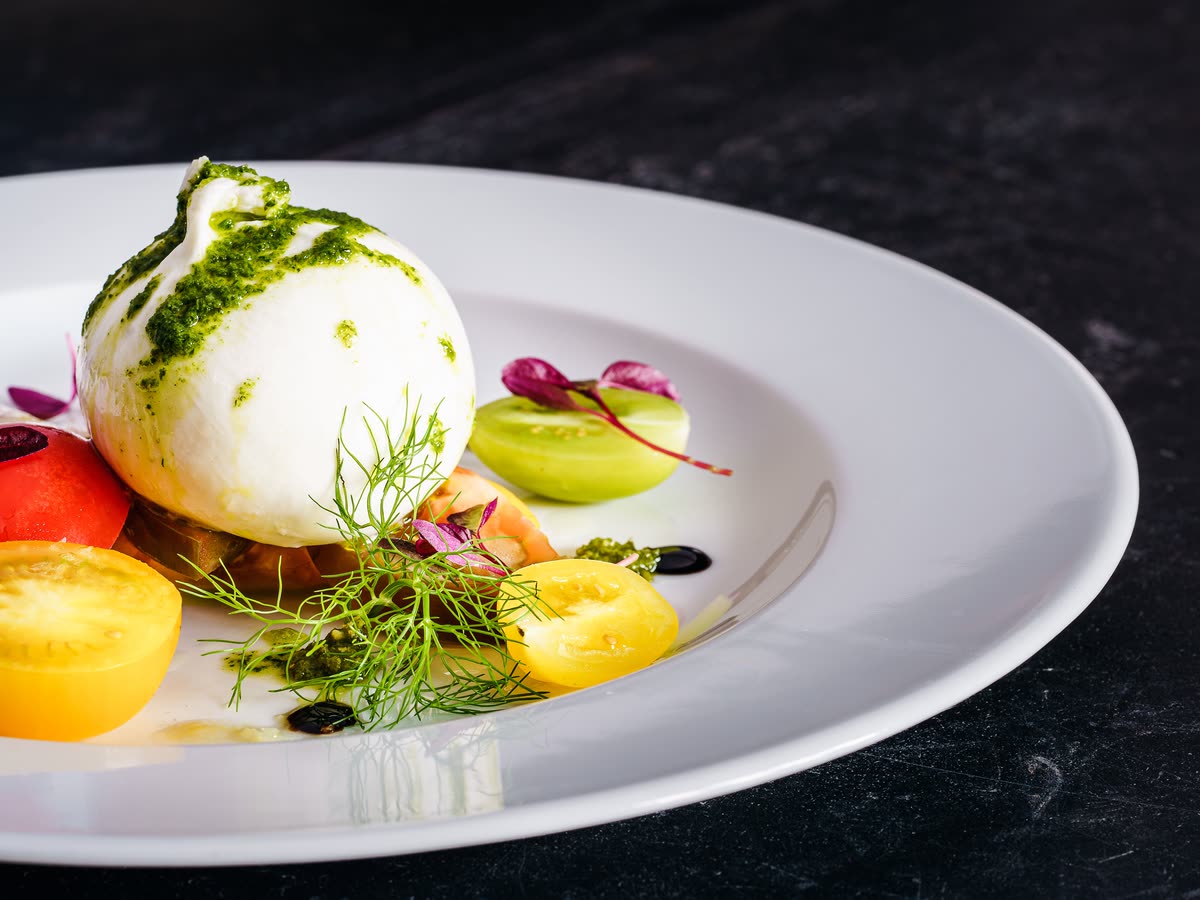
A tomato grown outdoors in this country is ready somewhere around the third week of July and finished by the first frost, which on this coast usually arrives in the second week of October. That is eleven weeks. For eleven weeks we can put a plate of raw tomatoes in front of a guest and have it be the best thing they eat all evening. For the other forty-one, we cannot, and we do not try.
The argument against greenhouses
We have one, and it grows seedlings. It does not grow tomatoes in March. A heated glasshouse will give you a red, round, structurally sound object in April that tastes of water and disappointment, and it will burn a great deal of gas doing it. The dish is not the tomato; the dish is the eleven weeks.
Scarcity is not a marketing device here. It is just what happens when you refuse to heat a greenhouse in February.
Rowan Teasdale
What we do with the rest
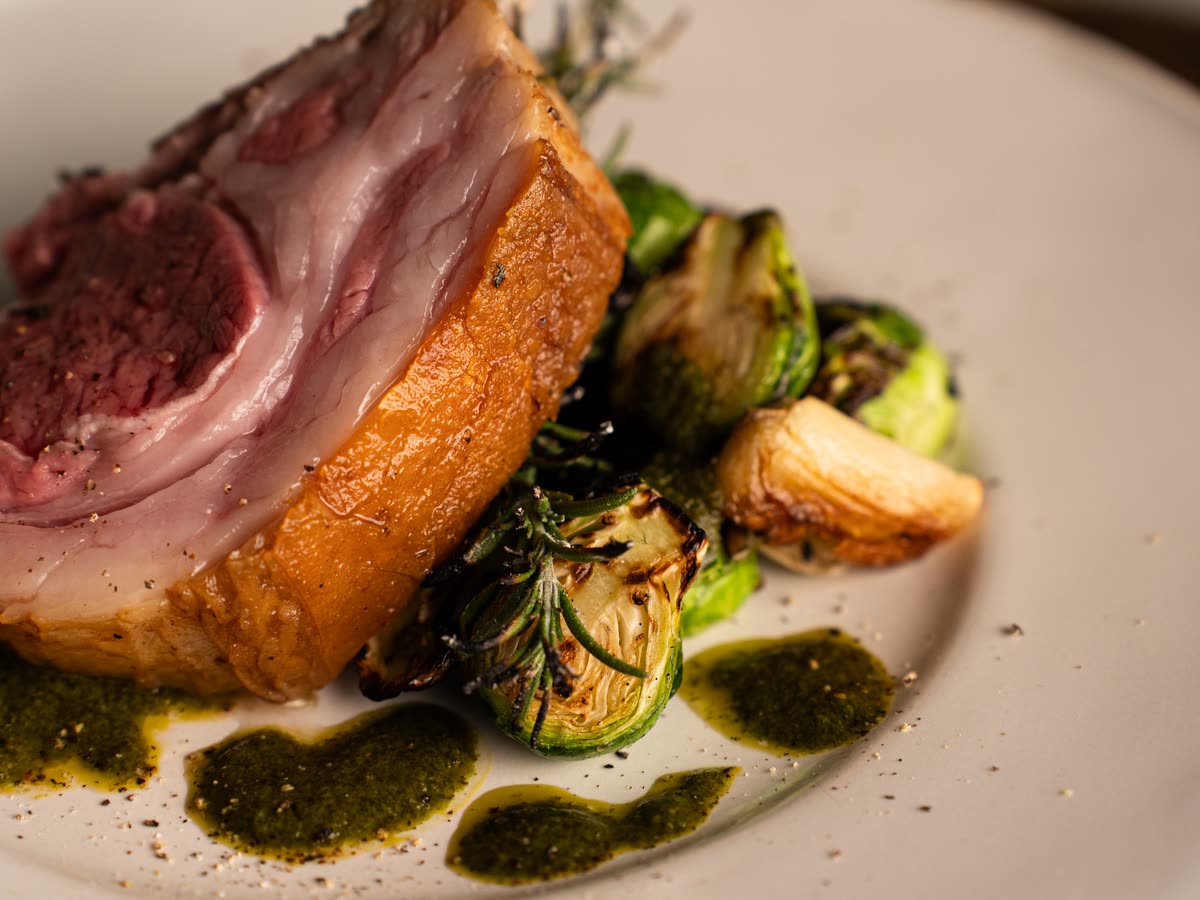
The beds hold nine varieties and they do not ripen evenly, which is the whole point. The last fortnight is mostly green fruit that will never turn, and that goes into a fermented green tomato paste which we use through the winter — in the lamb glaze, under the celeriac, and in the fermented chilli dressing that turns up on the scallop in February.
- Split and overripe fruit: pressed for tomato water, which becomes the dressing.
- Green fruit: salted and fermented for eight weeks, then blended to a paste.
- Leaves and stems: infused into oil, which goes on the mozzarella in August and nowhere else.
- Seeds: saved from the four varieties that did best, which is how the beds change each year.
So the tomatoes are on the menu for eleven weeks and in the food for fifty-two. That is not a compromise. It is what a kitchen garden is actually for.