Fire first, then everything else
We cook what the tide and the garden give us, over fire, on the day.
Rowan Teasdale
If I can't tell you who grew it, I'd rather not put it on the plate.
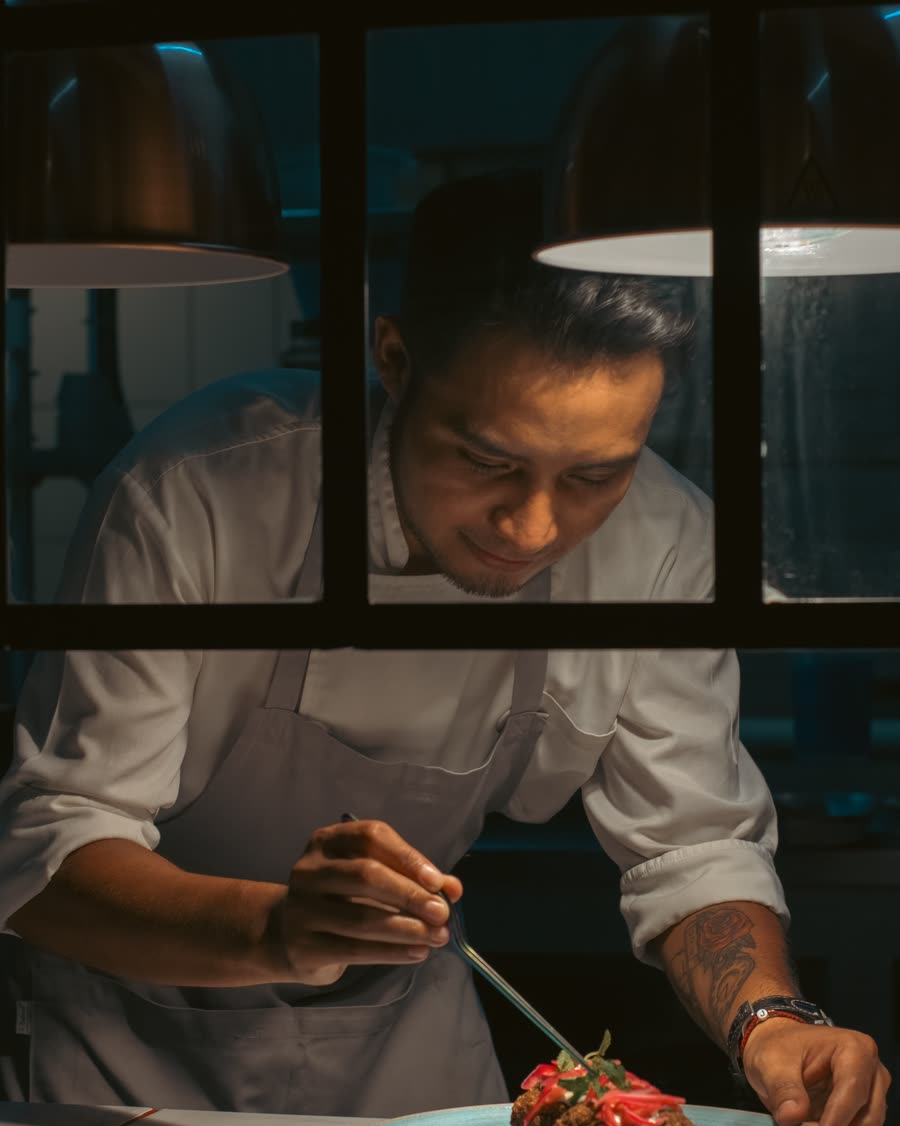
Rowan cooked in London and Copenhagen for eleven years before taking the lease on a derelict tidal granary and spending eighteen months making it habitable. They cook one menu a day, work the fire themselves on most services, and are usually the person who carries the turbot to your table.
Rowan works the fire on most services. If the turbot arrives at your table carried by someone in a slightly singed apron, that is who it is.
Four things we decided early and have not changed
- 01
The fire decides
One hearth, oak and beech, lit at eleven and let down through the day. Everything is cooked in the heat it happens to be in when it is ready — high and close for the fish, falling for the shoulder, ashes for the pears. We do not add gas and we do not cook past midnight.
- 02
Three miles, mostly
The marsh, the beds, the quay and one chalk stream. A short supply line is not a virtue in itself, but it means we can buy whole animals, take whatever the boat actually landed, and pick a tomato the same afternoon we serve it.
- 03
Nothing is wasted, quietly
Trimmings become stock, stock becomes glaze, glaze becomes the next day's snack. Bones go to the dog at the farm. We do not make a performance of it; it is simply how a kitchen this size stays affordable and honest.
- 04
A room, not a theatre
You are here to eat and to talk to whoever you came with. The service explains a dish when there is something worth saying and leaves you alone when there is not. There is no dry ice.
Planted for a restaurant that did not exist yet
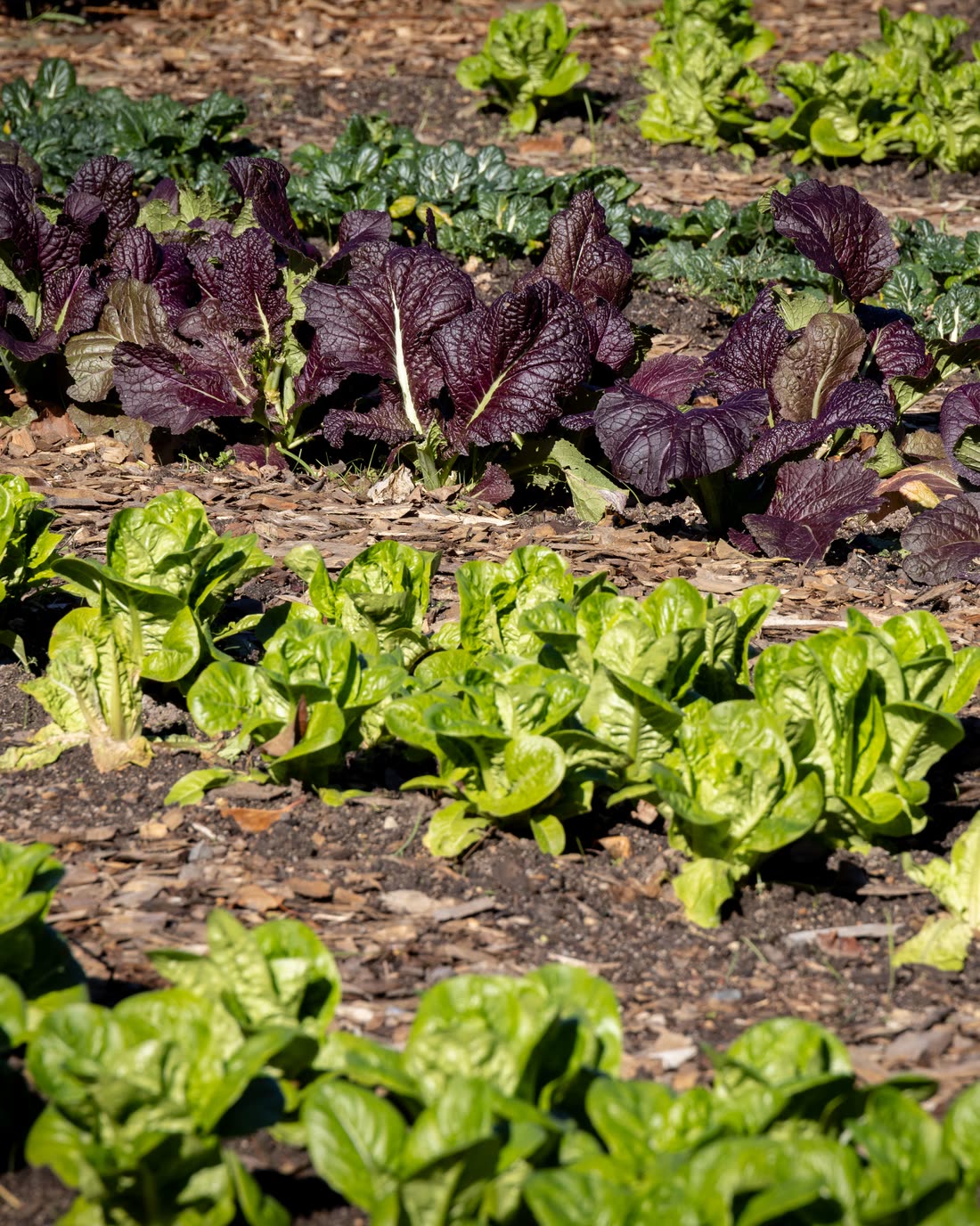
The beds went in a year before the kitchen. That sounds like confidence; it was mostly impatience. It means that when we opened there were already two seasons of soil behind us, and it is the reason the tomato dish tastes the way it does for the eleven weeks a year it is on.
Anyone in the brigade can spend a day a week in the beds. Whoever picks something usually gets to plate it, which is not a policy so much as a habit nobody has wanted to break.
Eleven weeks of tomatoesNineteen people, four of whom you might meet
Everyone here is fictional — this is a template. Replace them in data/story.ts with your own.
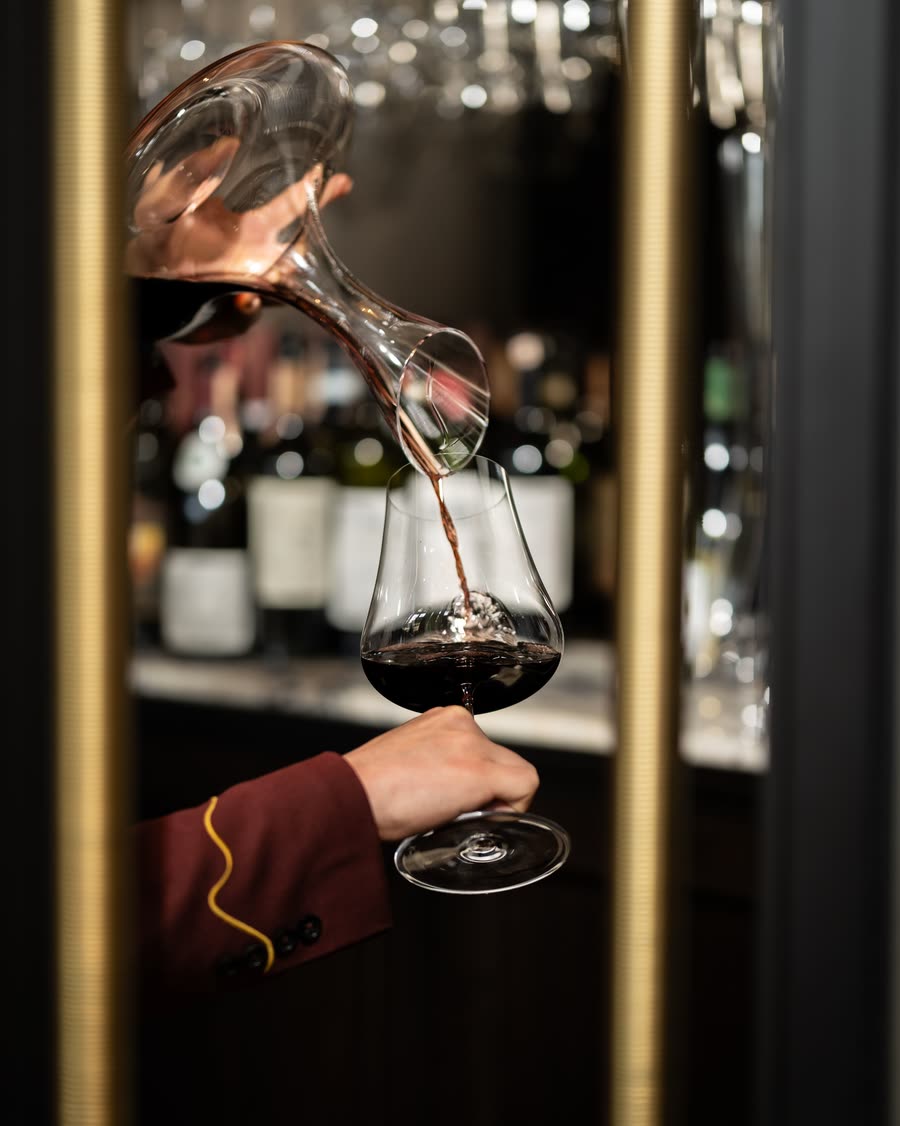 Head of cellarNadia OkonkwoNadia buys everything we pour. She works almost entirely with small growers, visits most of them at least once, and will happily talk you out of the bottle you were going to order if there is something better open.“Tell me what you're eating and how much you want to spend. In that order.”
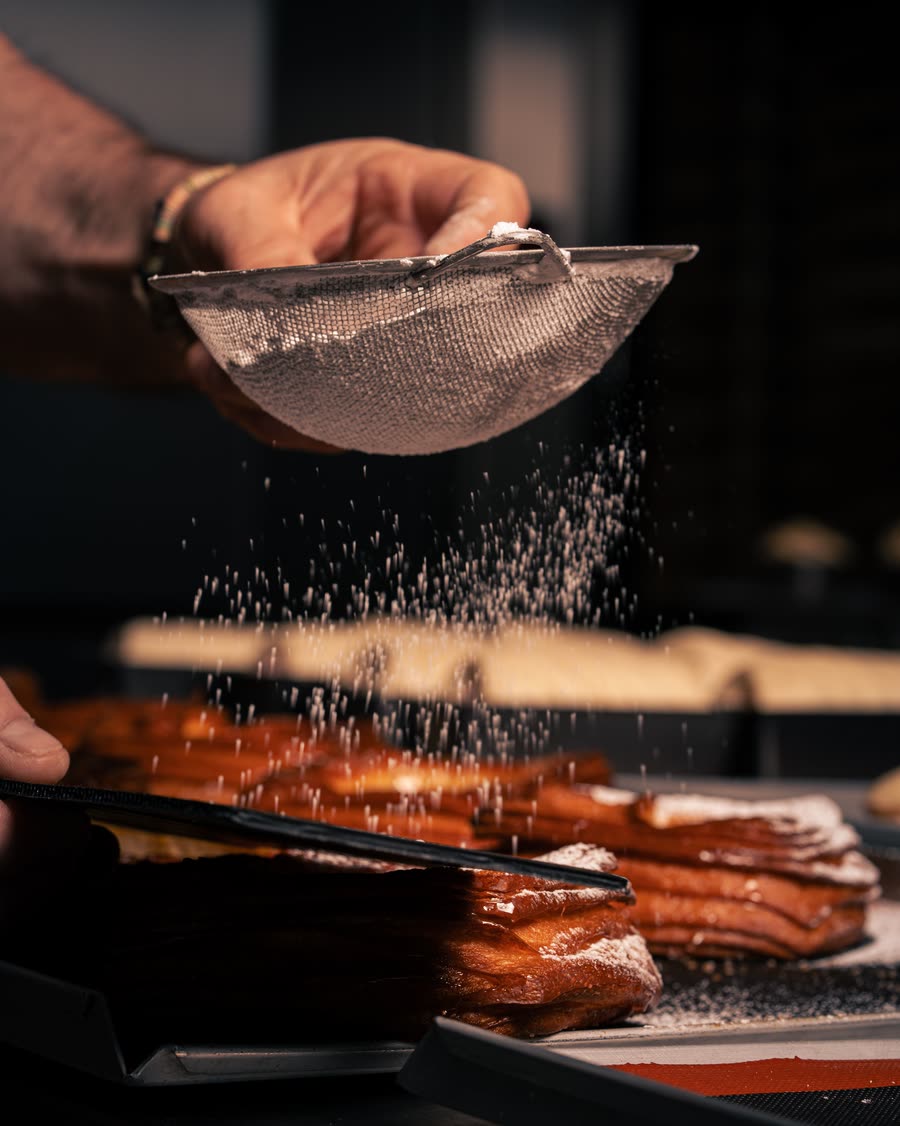 Head of pastryEmil VargaEmil runs the pastry section off the same fire as the kitchen, which is as awkward as it sounds and is the reason the puddings taste the way they do. He makes the bread, the butter, the ice creams and the fudge that arrives at the very end.
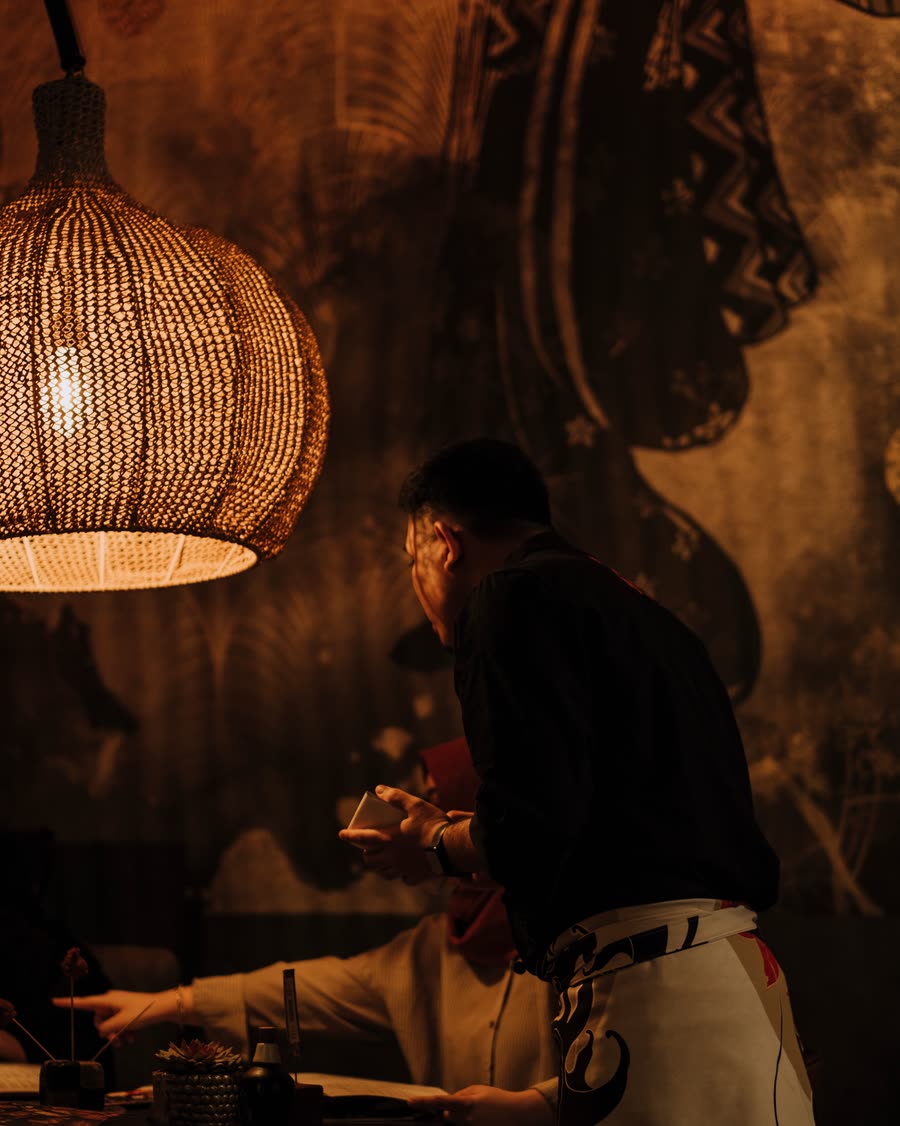 General managerThea LindqvistThea has run rooms in three countries and has strong opinions about how long a guest should wait for a glass of water. She looks after the diary, the private rooms and every table that needs something the kitchen has not thought of yet.“Hospitality is mostly noticing.”
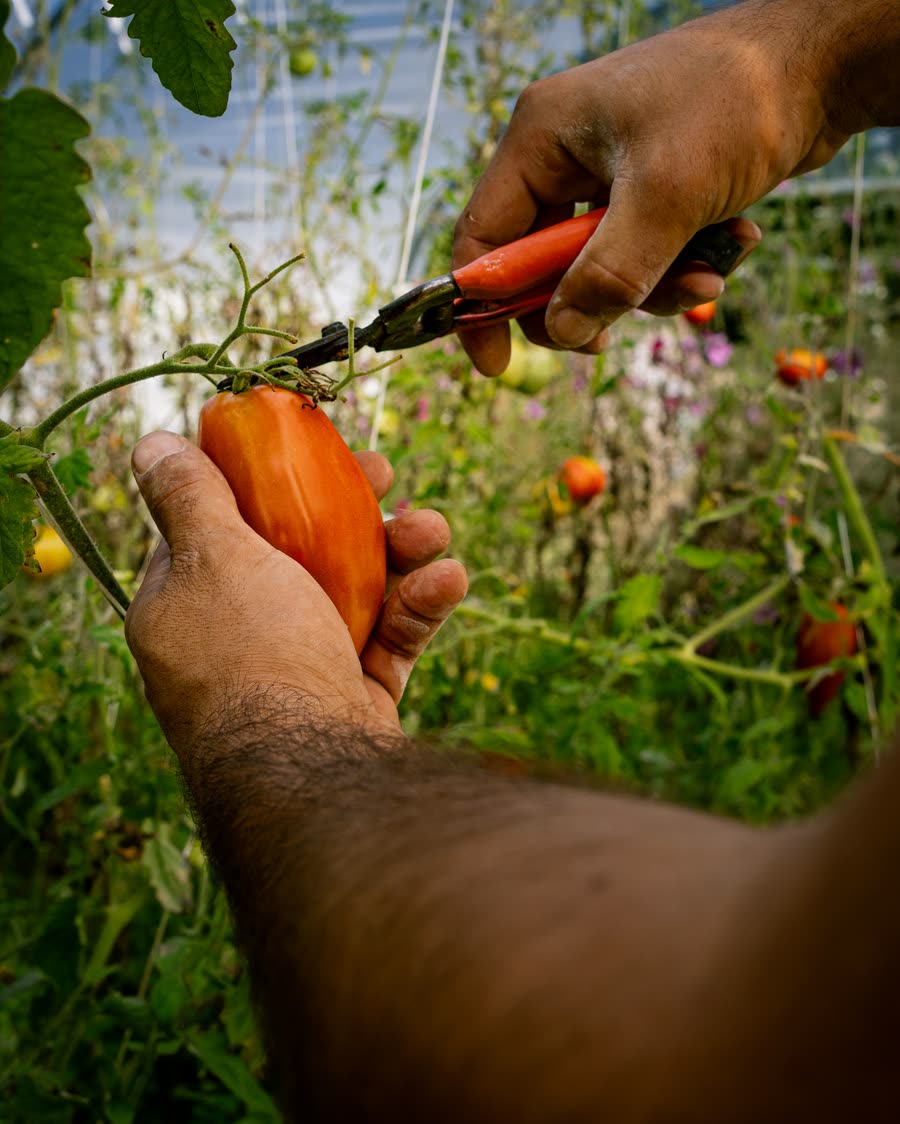 Head gardenerMarek AdeyemiMarek works the twenty raised beds behind the granary and the orchard wall beyond them. He decides what the kitchen will be cooking roughly four months before the kitchen does.
The Tidal Granary
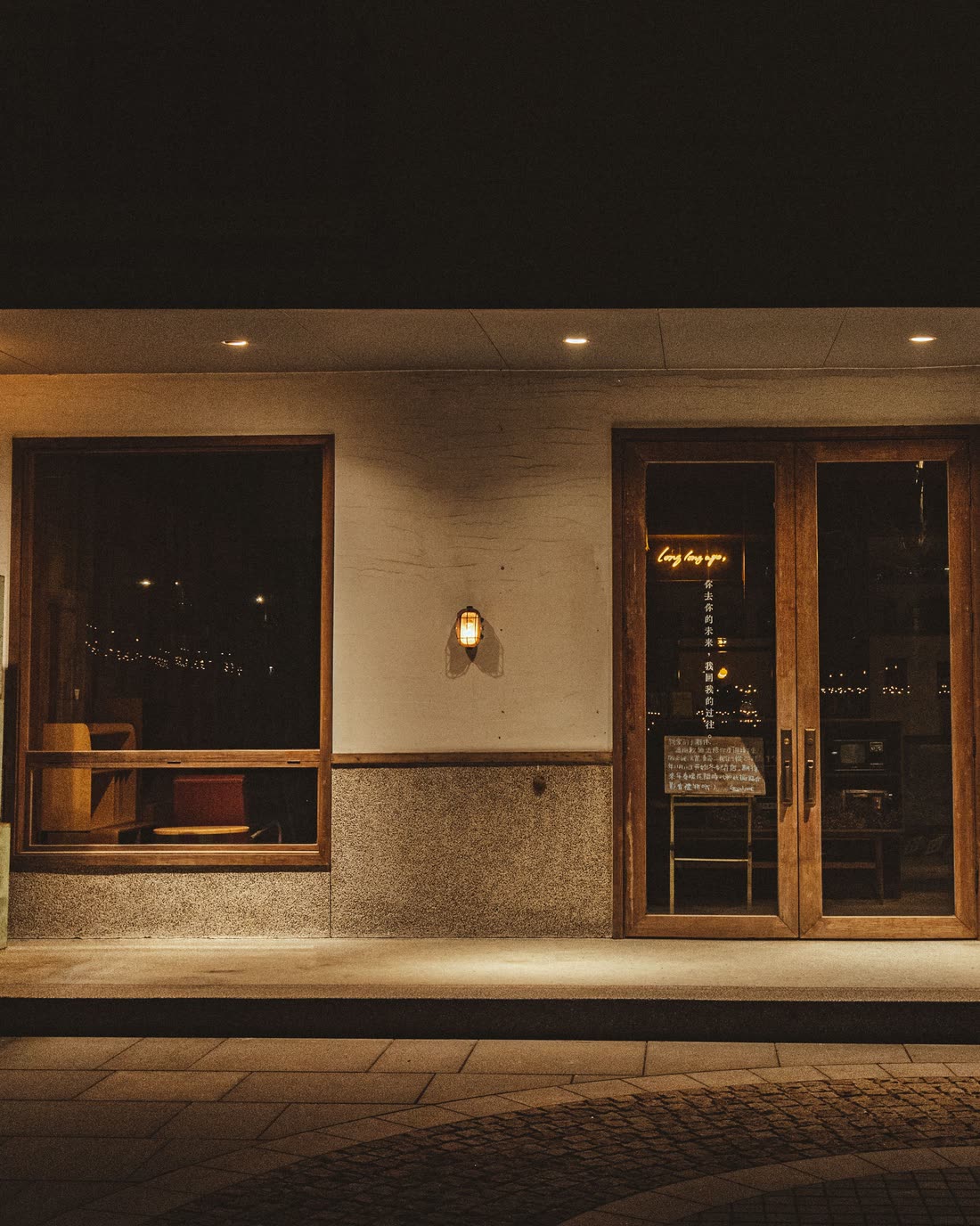
Grain came up the channel by barge, was hoisted through the loading door on the east wall and dried in the kiln at the back. The channel silted, the barges stopped, and the building spent twenty years empty with the tide still coming to within thirty feet of the door twice a day. The brick, the oak trusses and the cast-iron hoist are all original. The floor, the roof and the plumbing are emphatically not.
- The main room
- Thirty-eight covers under the original trusses, with the hearth at the far end.
- The fire counter
- Eight seats on the mezzanine, level with the top of the fire.
- The Kiln Room
- The restored drying kiln, twelve seated around one oak table.
- The snug
- Six armchairs by the chimney breast, where the last course is served.
Eight years, roughly
- 2017The leaseRowan takes on a granary that had been shut for two decades, with a hole in the roof and no floor on the mezzanine.
- 2018The bedsTwenty raised beds go in behind the building, a year before the kitchen does. Marek plants for a restaurant that does not exist yet.
- 2019OpeningEmberfen opens with twenty-four covers, one menu and a hearth built by a bricklayer from the next village.
- 2022The counterThe mezzanine becomes the fire counter: eight seats, facing the coals, the best seats in the building.
- 2024The Kiln RoomThe old drying kiln is restored as a private dining room, with the original brick left exactly as it was found.
The best seat is the one facing the fire.
Eight stools on the mezzanine, level with the top of the coals. Book one, or walk in after eight and take your chances.